Solid vs Lovable
A beautiful first build is only the beginning.
Lovable gives you a fast, polished build to direct. Solid takes responsibility for the app as it changes and runs.
Get Started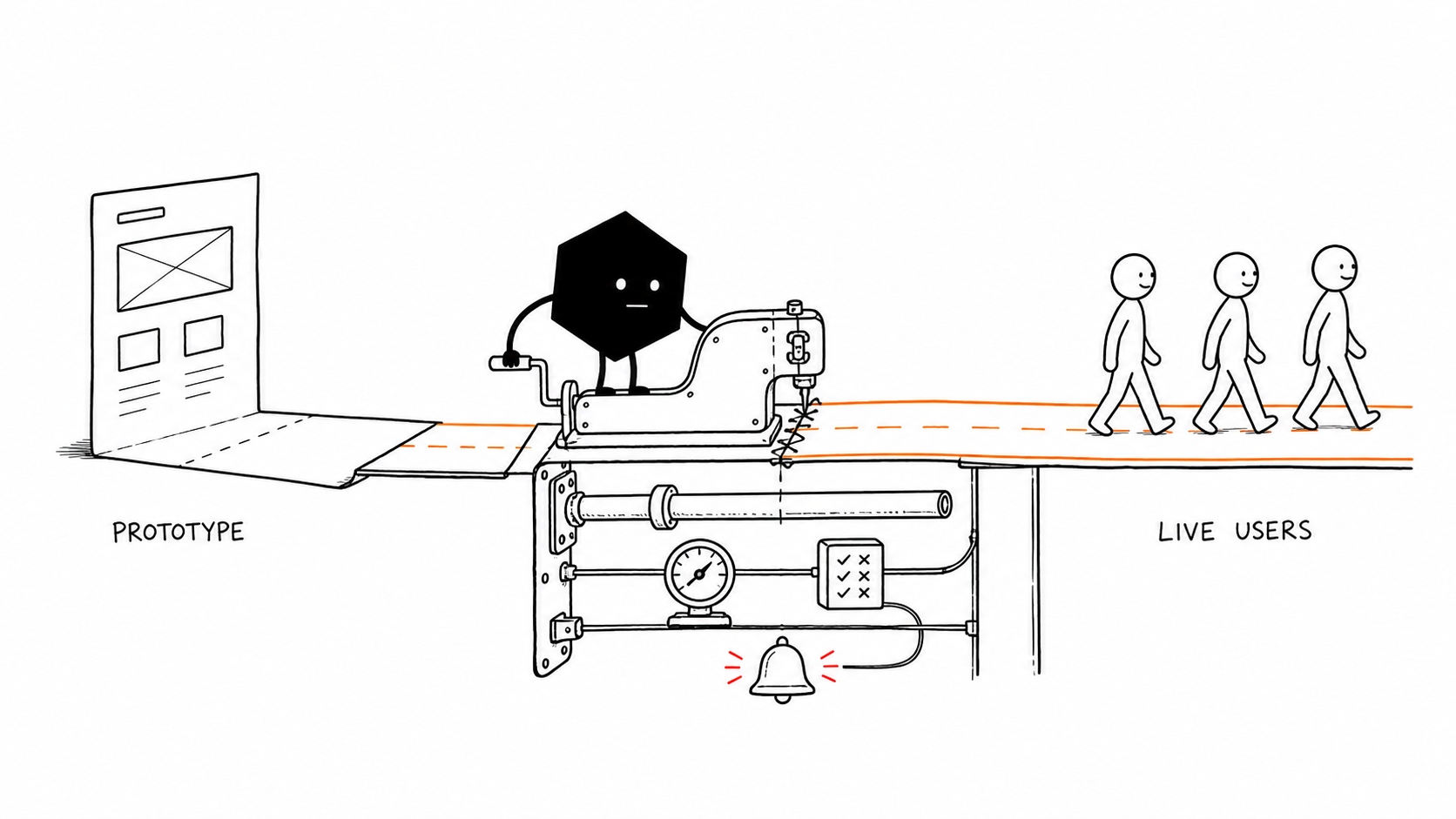
A self-serve full-stack builder vs. an app project carried for you
Self-serve full-stack builder
Lovable
Lovable turns natural-language instructions into full-stack apps with managed Cloud and production hosting. Build mode can edit and test the app, while Git sync lets you take the code elsewhere. It is a strong fit when you want to direct and operate the project yourself.12128231716
Production app builder
Solid
Solid is an operating system for agents that can build and operate your app. Give them the client journey, access rules, and approval steps; they can build the portal, test it, and keep working on it after launch. Human help is available when the AI gets stuck.2526
Choose Solid when a client portal or business app needs someone to carry the technical work through launch and later changes. Choose Lovable when you want to direct a full-stack build with managed hosting.
Why choose Solid when you want the app carried further
Lovable gives you Cloud and production hosting, with testing and monitoring inside the builder. Solid takes on the work of using those tools to maintain your result.
Keep product knowledge with every change
Solid keeps approved context and prior decisions with the assignment as new requests change the product.
Test the flows behind the interface
Solid checks sign-in, data, approved payments, and other working paths behind the polished interface.
Bring a person into the same job
A real person can join the same assignment when the AI stalls, with no promised response time.
Turn monitoring findings into repairs
Solid can turn a live finding into a repair and verify that the app is working again.
Solid vs Lovable feature comparison
Compare who directs the build and who carries verification through ongoing operation.
| Capabilities |  | Lovable |
|---|---|---|
| Best fit | Choose Solid when you want the app carried through changes, launch, and ongoing operation.2526 | Choose Lovable for a polished app you want to direct and operate yourself.1238 |
| Long projects and context | Solid keeps approved context while coordinating agents, models, and tools through the full build.25 | You own regression checks and recovery if you encounter the fix loops some Lovable users report.45697 |
| Authentication, payments, and data | Solid can build and test approved sign-in, customer data, and payment flows for you.2526 | You define the rules and verify production behavior after Lovable Cloud sets up auth, data, and payments.1213 |
| Integrations | With your approval, Solid connects through an API or browser, so missing connectors do not stop the work.25 | You provide API details and verify the result; authenticated Lovable integrations also need secrets.1415 |
| Testing and verification | Solid determines and runs the technical checks, fixes failures, and verifies the app against the requested outcome.2526 | You choose test coverage and review results after Lovable's Build mode or browser testing checks the app.1716 |
| When the AI loops or stalls | When Solid's AI stalls, a real person can join the same job, without a guaranteed response time.2625 | You diagnose or revert project-specific failures because Lovable support does not debug your app for you.61819 |
| Security and launch review | Solid can carry code review, testing, deployment, and your approval rules through launch.2526 | You review Lovable's automated security scan and decide whether its fixes are safe to publish.20 |
| Monitoring and repair | Solid can monitor the app, repair problems, and verify that it is working again.2526 | You review Lovable's monitoring findings and decide whether to run Try to Fix.22 |
| Hosting, source, and operation | You keep the source while Solid can keep operating the app or hand it to your developer.2526 | You choose where to host the app; Git sync keeps the code portable while you own release decisions.82324 |

Describe the app you want, who will use it, and the rules it must follow. Solid’s agents can plan the build and ask for the access and approvals they need. If you already have a project, bring its source or project files.
Get started with SolidKeep responsibility with the same app project
Solid keeps approved context, production work, and recovery together as the app changes.
Keep a changing app working for real users
Solid turns the business rules into a working app and tests the paths that must hold up when customers arrive.
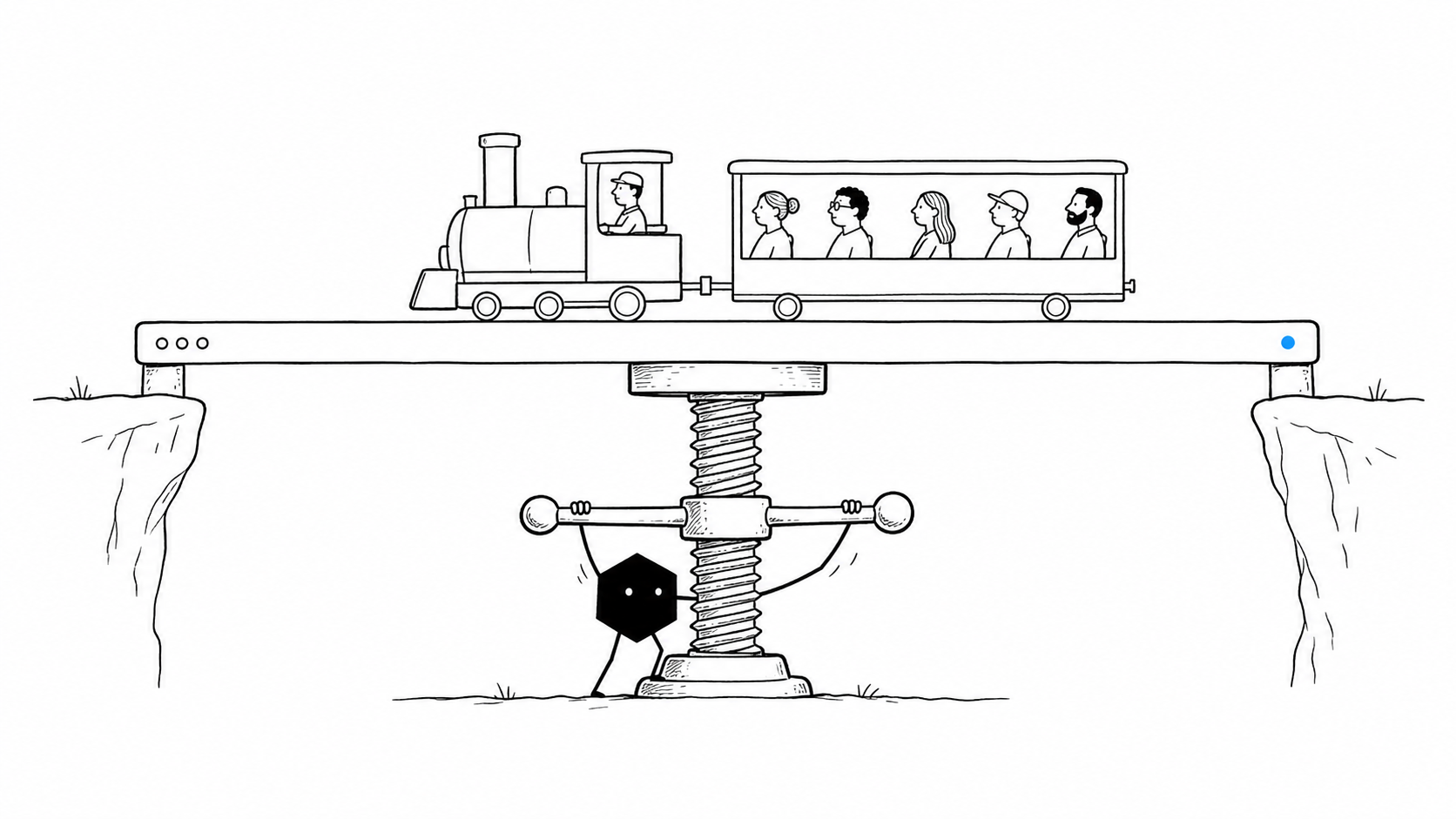
Change the app without losing what works
Solid checks what a change touches, tests the result, and can restore working behavior when something goes wrong.
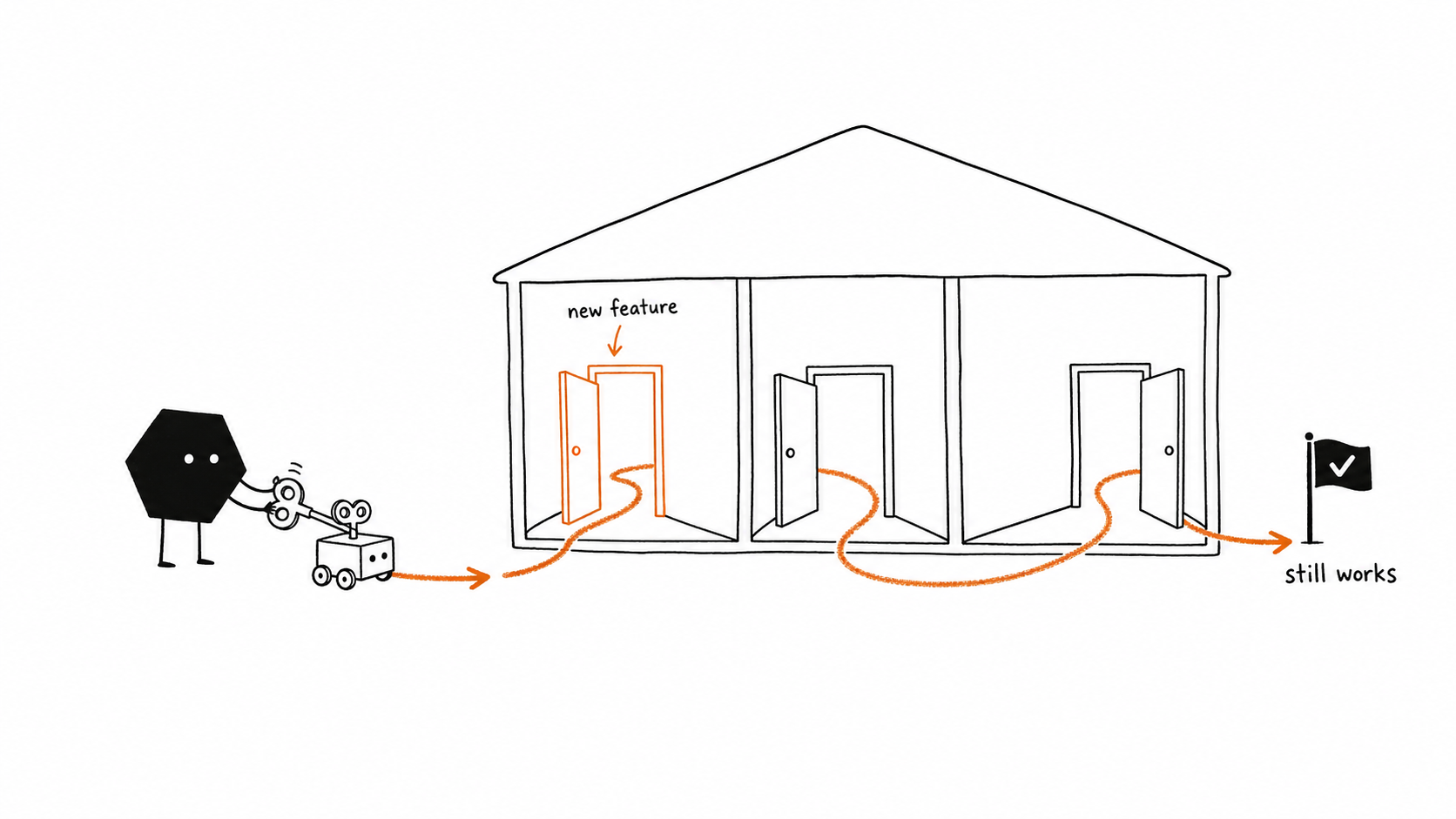
Bring a real person into the stuck point
If the AI cannot finish the build, continue the same assignment with help from a real person.
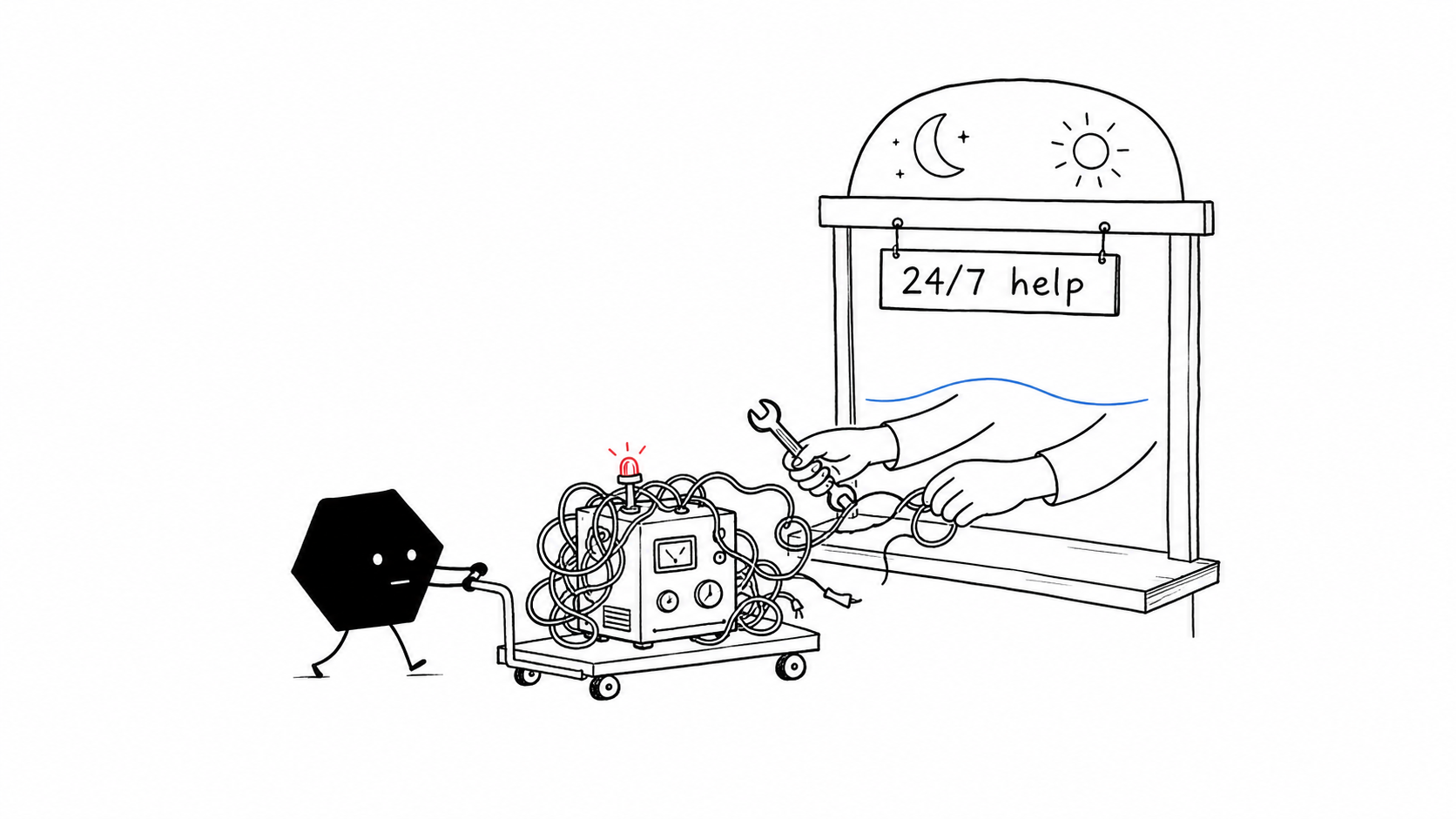
Keep monitoring and repair on the job
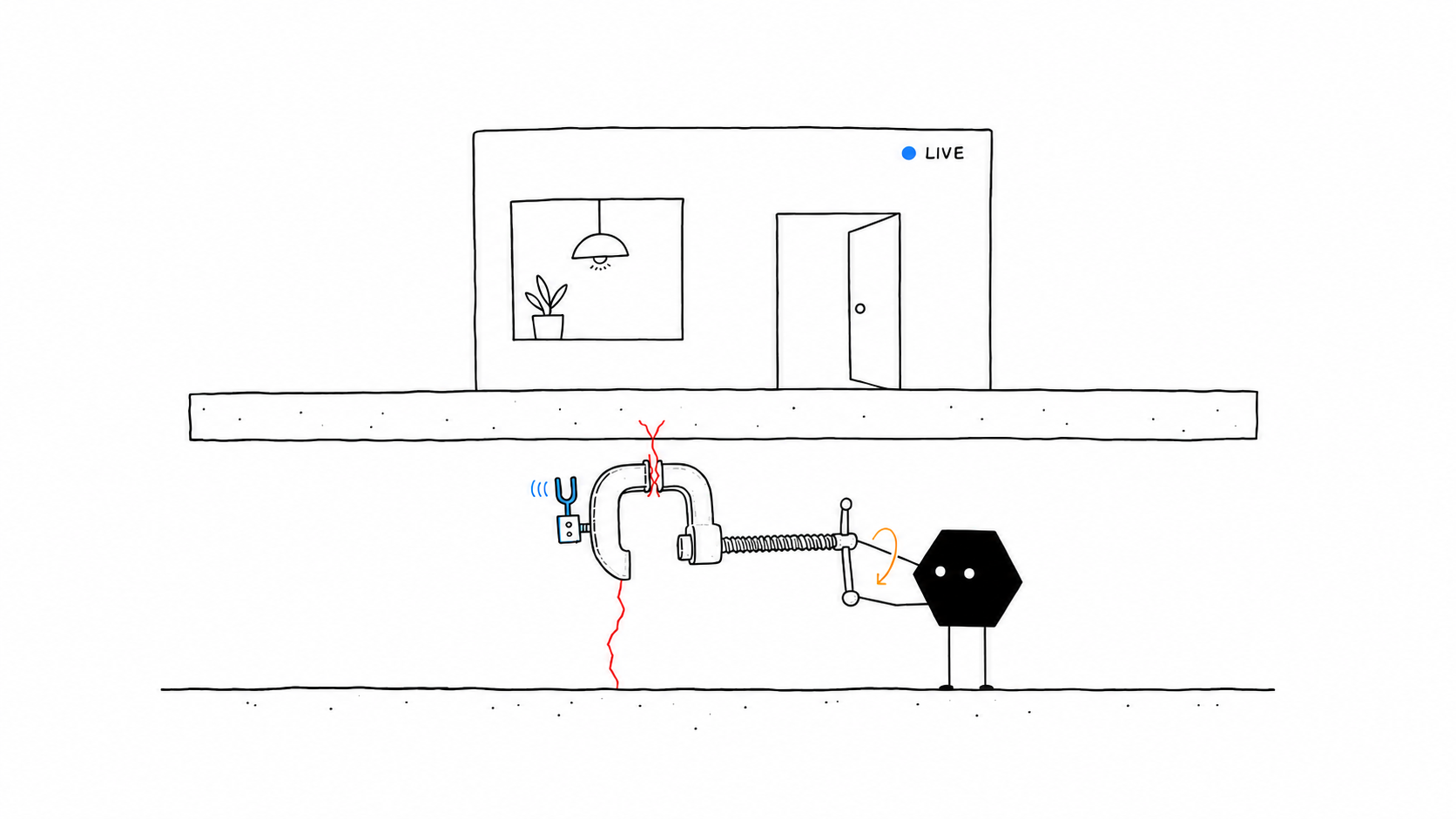
Solid can catch live problems, repair them, and verify recovery without turning every incident into a new project.
Keep the code when the plan changes
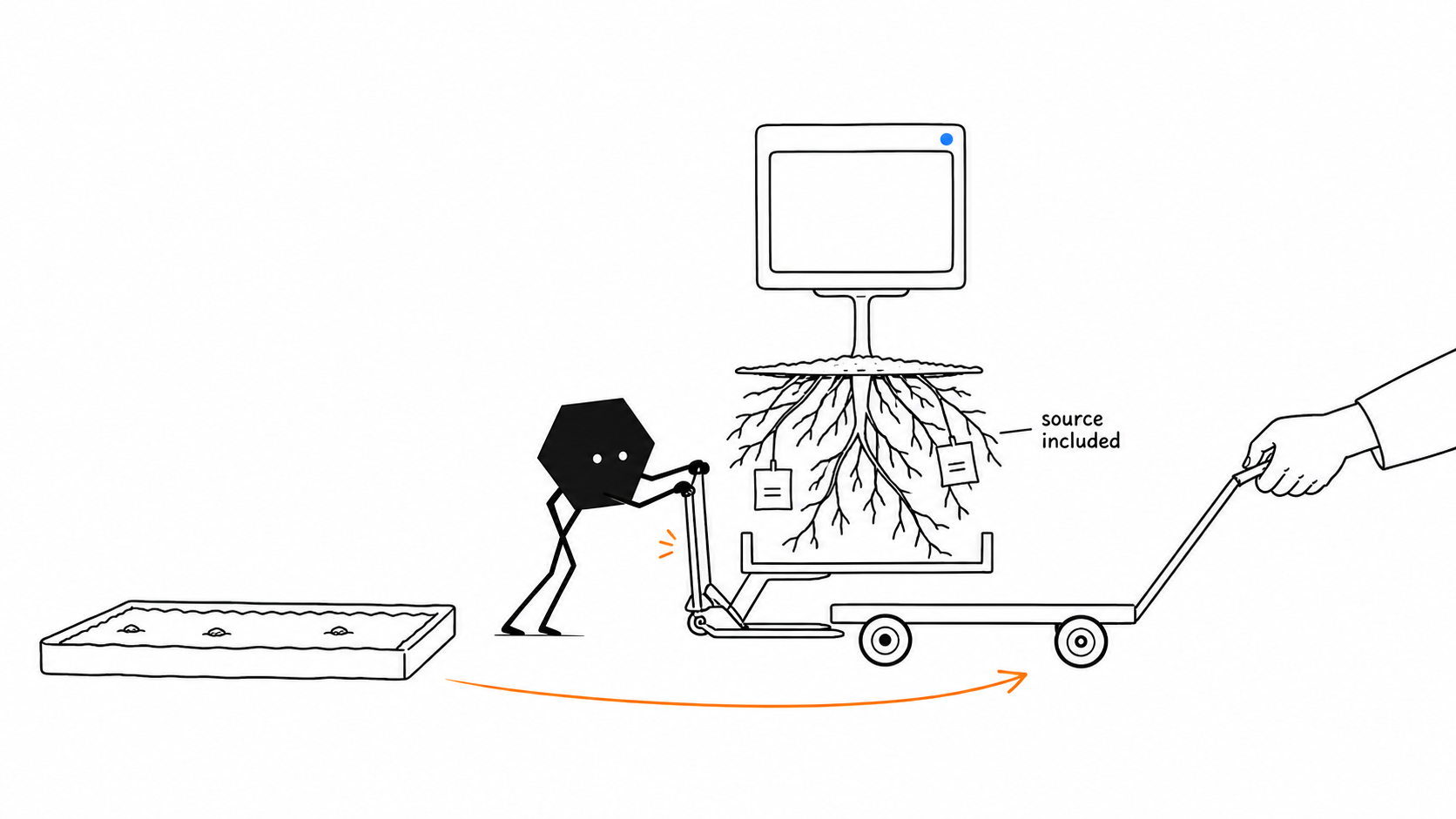
Export the source, deploy it elsewhere, or hand it to a developer without rebuilding the app from scratch.
Use Lovable for a capable self-serve build. Use Solid when you want the app carried for you.
Choose Lovable for a polished app you are ready to direct and operate. Choose Solid when you want one continuing assignment through later changes and production.
Use Lovable when
You want a polished self-serve build
Choose Lovable when you want to turn natural-language instructions into a production app and remain in charge of the project.123128
- A landing page, prototype, or contained tool may be finished in a few prompt-and-review rounds.
- You want Lovable Cloud and production hosting, with Git sync available for the code.
- You can review every release and handle project-specific debugging after launch.
Use Solid when
The app will keep changing after launch
Choose Solid when the app will keep changing and you want context, testing, recovery, and operation carried together.2526
- You want approved context and prior decisions to stay with the assignment across many changes.
- You want Solid to coordinate the build and verification as one continuing job.
- A real person can join the same job when the AI stalls, with no promised response time.
Describe the app you want, who will use it, and the rules it must follow. Solid’s agents can plan the build and ask for the access and approvals they need. If you already have a project, bring its source or project files.
Get started with SolidQuestions about Solid
Solid vs Lovable: which fits my web app project?
Solid fits when you want agents to build, test, launch, and maintain a client portal or other business app around your workflow. You supply the rules and approve access; Solid’s agents handle the technical steps, with human help available when needed. Lovable fits when you want to direct a full-stack app through chat and use its managed backend and hosting.
Is Solid the right choice for a simple prototype?
Lovable is often the better fit for a contained landing page or prototype you can finish and review yourself. Choose Solid when the project must keep context across a longer build or continue through operation.
Do I need coding experience to build a production app with Solid?
No. Explain the users, business rules, desired result, examples, and approval boundaries in plain language. Solid handles the technical work and asks for the context or access it needs.
Can Solid continue an app I started in Lovable?
Solid can continue an app started in Lovable when you provide the source or project files, business requirements, and approved access. Its agents can review the app, build the next version, and test the result. A project link alone does not transfer private history, live data, credentials, or deployment settings.
Can Solid handle payments and integrations?
Solid can build and test approved payment flows. For other services, it can connect through an API or use a browser like a person, subject to customer permissions and system policies.
Can Solid keep the app working after launch?
Solid can monitor, repair, and verify recovery for apps it builds. Always-on means configured persistence, not an uptime or availability guarantee.
Do I own the source code for an app Solid builds?
Yes. You retain full control of the source and can export it, deploy it elsewhere, or hand it to a developer without a rewrite.
How does Solid keep production work under control?
You set access, policies, budgets, spending, and approvals. You can follow available activity, inspect available code, resource, cost, and log details, and route configured sensitive decisions to a person.